[Introduction] Mopping the floor is not complicated. Many people can, but sometimes it is not very clean. For example, how to mop the floor more clean, how to mop the floor faster and cleaner, let’s take a look.
Mopping the floor is not complicated. Many people can, but sometimes it is not very clean. For example, how to mop the tiled floor more cleanly? In fact, mopping the floor also needs to choose the correct equipment according to different floor materials. In addition, some techniques can make you drag less tired and fast and clean.
Method / step
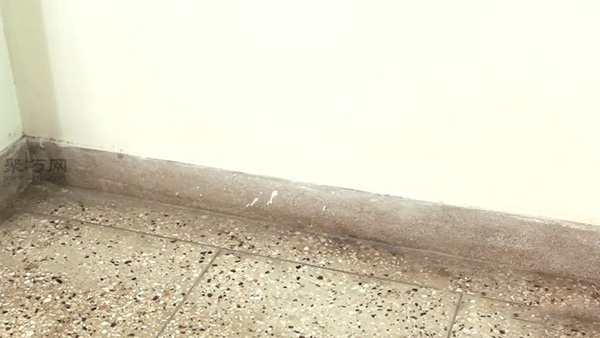
1 Clearance
Remove tables, chairs, small carpets, and other obstacles on the floor.
- If you want to clean these things too, clean them first. That way, if any debris is going to fall, it will fall before you clean it.
- If you want to clean a case, table, or other surface, clean them first.
- Invite people or animals who like to walk around there. This includes children, partners, roommates, pets, and guests.
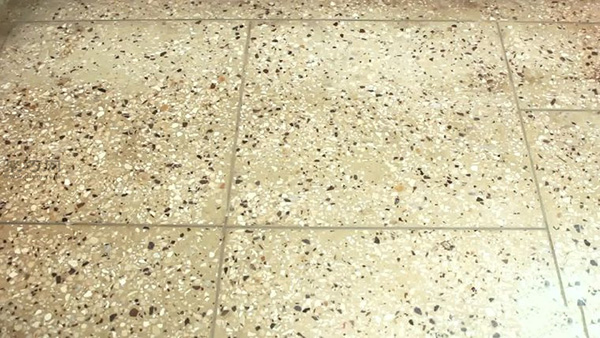
2 Sweep the floor or vacuum the floor first.
- This may seem like extra effort. Mops can do this nasty job in general, but mops collect bread crumbs, dust, hair, and other solid debris. If you mop a floor that hasn’t been swept beforehand, the result is that you will carry this trash around. In addition, if dust and dirt are not cleaned beforehand, they can leave scratches on the floor.
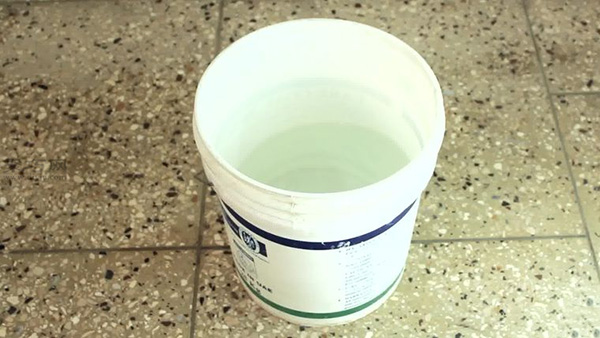
3 Put the cleaner of your choice in a bucket and pour in warm water that completely covers the mop head.
Leave enough space for you to put the mop and the wringer out of the water, if it is fixed on the bucket.
- Use the cleaner according to the instructions on the bottle or packaging. Usually, that just means enough to start the bubble. Do not use excessive amounts of detergent. This has no added benefit and may leave or harm the ground.
- It is OK to use dishwashing liquid. Just squirting a little and adding it to the water is enough.
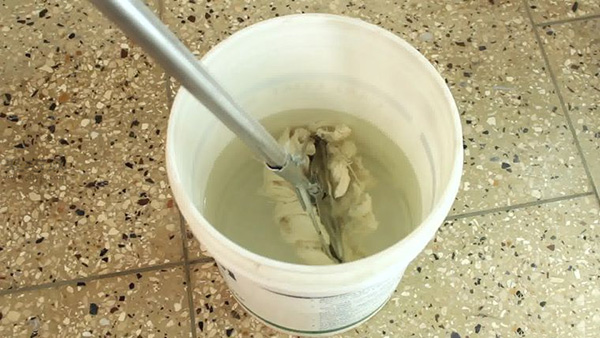
4 Soak the mop in the solution and let it absorb the detergent completely.
- Sometimes a hard, dry mop needs to be soaked to make it soft.
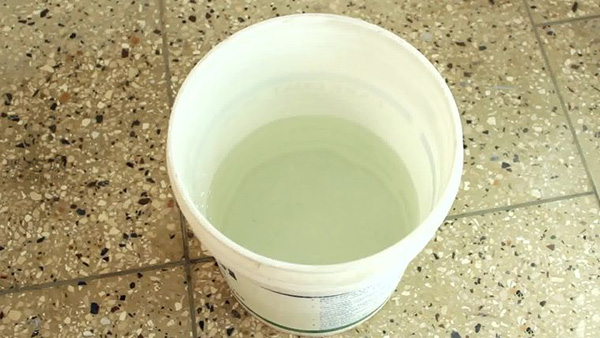
5 Wring off excess moisture. You want the mop to be wet, not soggy.
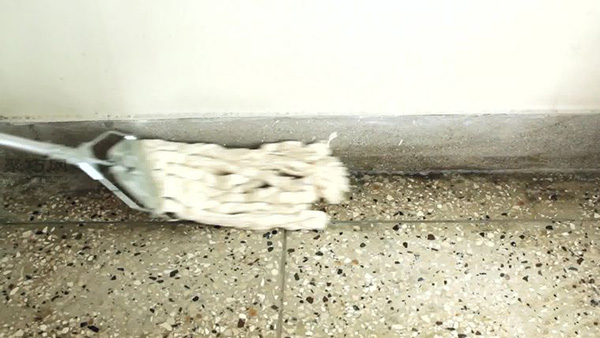
6 Start from the corner of the room.
Drag the mop back and forth over the area and you need to apply a little pressure to remove the dirt. After you have dragged a small area, or when the mop looks dirty, soak the mop in water again and wring it dry, and then drag it to a place.
- For polyurethane wood floors, mop the floor along the grain of the wood.
- For textured floors, drag the mop in the shape of a circle.
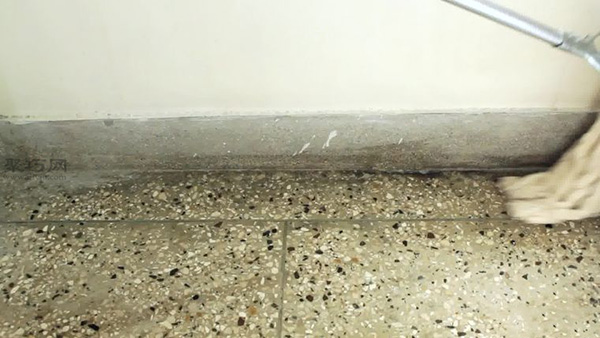
7 For stubborn dirt, you may need to drag twice.
- First, let the mop be a bit wetter than usual, and then let it wet the area. Let the water stay on this floor for a few minutes, while you go to the next place.
- Allow the cleaning solution extra time to break down the dirt.
- Then, moisten the mop again and wring dry as usual. Return to the dirt and drag away the moisture and loose dirt.
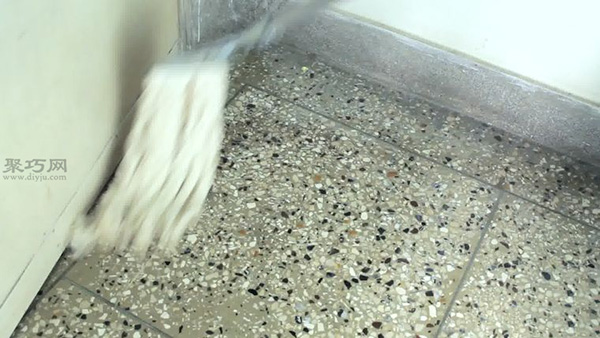
8 Continuously clean the entire floor in this way.
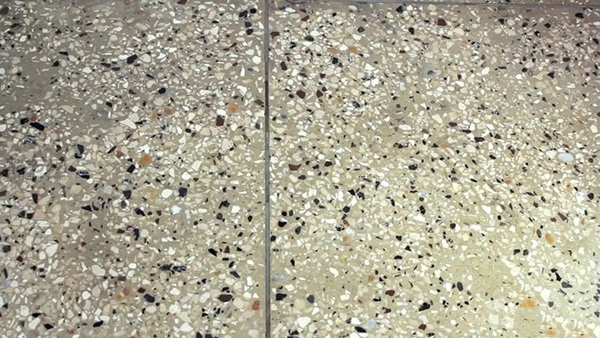
9 Drag your back to the door and don’t step on the place you just dragged.
- Any lint that sticks to the soles of your shoes will stick to the floor and turn into mud. If you step on a wet place, use a mop to wipe the area and clean the traces.
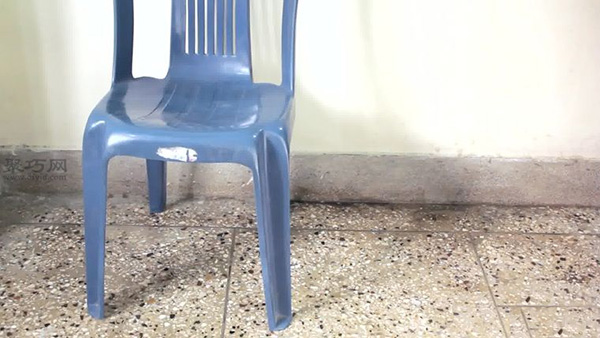
10 Let the dragged area completely dry.
- Open the door or window, and air circulation can make the floor dry faster. Unless there are severe water marks on the surface, it is generally not necessary to dry the floor manually. Let the air dry the floor.
11 Restore all the furniture you removed.
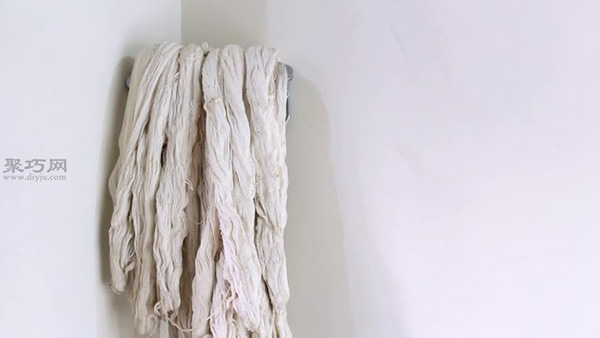
12 When you have finished mopping, hang the mop to air dry.
- If you leave it in the bucket, it will rot and begin to have a bad smell. Hang it down in a wet place, where it will not be eroded by water.
- Put mopping sewage into the toilet. For sewage with solid deposits it is better to pour into the toilet so you don’t stain your sink.
- If it is not necessary, it is best to rinse and wring out the mop before you hang it up, so that the dirt and residue of detergent will not stay on the mop all the time.
Hint
- If mopping makes you feel boring, turn on the music and treat it as a free exercise.
- For narrow places, such as corridors and hallways, step on the feet and then the middle.
- Tie a mop, especially those made from natural fibers, is still the best choice, but if you are in a particularly small space, then a simple sponge mop works better.
- Change the mopping sewage frequently; if you see it getting dirty, replace it, otherwise you will mop the ground with sewage and it will not be mopping.
- The mop is made of different materials, such as a large string mop, which becomes very heavy when it is full of water. So choose its size within your controllable range, especially if your place is not very large.
- You can reduce the actual mopping time by mopping the stains, mopping places with obvious stains and / or frequent walks. You can even run around with your feet wrapped in a damp cloth to clean up small or prone areas.
- First, using good door mats indoors and outdoors can help prevent dust from entering the home. In doing so, it is necessary to develop the habit of entering the house without shoes.
- If high heels scratch the floor, try rubbing the scratches with the unmarked rubber sole of another pair of shoes. This doesn’t always work, but slippers work like a large eraser.
Precautions
- Do not wring the mop by hand. In addition to the annoying dirt, the mop also picks up ceramic debris and other solid debris that will scratch your skin. It would be better to buy a bucket with a twister.
- Do not use acidic cleaners such as vinegar on stone floors. Marble, granite, and slate are corroded by acids.
- Do not drag waxed hardwood floors because water will corrode them.
What you need
Mop
A bucket
A suitable bottle of floor cleaner
A mop, usually fixed to a mop or bucket


 HOUSEHOLD TOOLS LIST